
recycled fabric manufacturer in China - Get factory price from 2 ton!​
Specs at a Glance

Single Jersey Fabric Factory for T-Shirt & Hoodie Manufacturers

1, up to 50% lower cost

2, 110–400 GSM options

3, Tubular & open-width supply

4, Yarn-dyed melange colors, less dyeing process

5, Samples & bulk quotation available

French Terry For hoodies and jogger sets
Single Jersey For T-shirts and lightweight tops

Our End Use

GRS certificated RPET

Core Fabric Program

Knit Fabric Options for Different Apparel Needs

Item Available Direction
Fabric Type Single Jersey / T-Shirt Jersey /Sweatshirt Fleece Fabric/ Plain Knit Fabric
GSM Range Approx. 110–400 gsm
Width Tubular diameter 48–74 cm / Open width 180–185 cm
Composition Direction TC70/30 TC65/35 TC80/20 CVC50/50 related programs
Main Uses T-shirts, casual tops, daily wear,Hoodies / joggers, basic apparel programs
Color Direction Solid colors and mélange-style developments

For Lightweight T-Shirts

Single Jersey 110–180 gsm. Soft, breathable and easy to wear for everyday apparel. A practical fabric choice for basic T-shirts, promotional tees and daily casual tops.

For Premium T-Shirts

Heavy Single Jersey 200–300 gsm. A heavier single jersey option with better structure, smoother surface and a more premium hand feel.

For Light Hoodies

French Terry 210–260 gsm. Comfortable and breathable with a smooth outside and looped inside. A good choice for lightweight hoodies, spring loungewear and casual sweatshirt styles.

For Regular Hoodies

French Terry or Brushed Fleece 260–320 gsm. Balanced weight, good structure and comfortable hand feel for daily hoodie production. Choose French terry for a breathable loop-back feel, or brushed fleece for a softer and warmer inside.

For Winter Sweatshirts

Sweatshirt Fleece 280–400 gsm. Soft brushed inside for extra warmth and comfort.
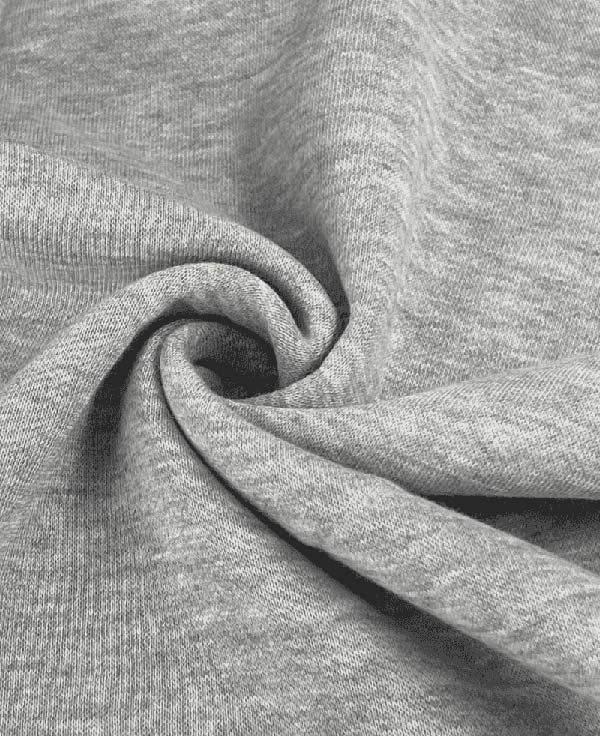
Choose the Right Knit Fabric for Your Garment

Tell us your target garment, GSM, composition and color. We will suggest the right knit fabric for your production.

Single Jersey Fabric

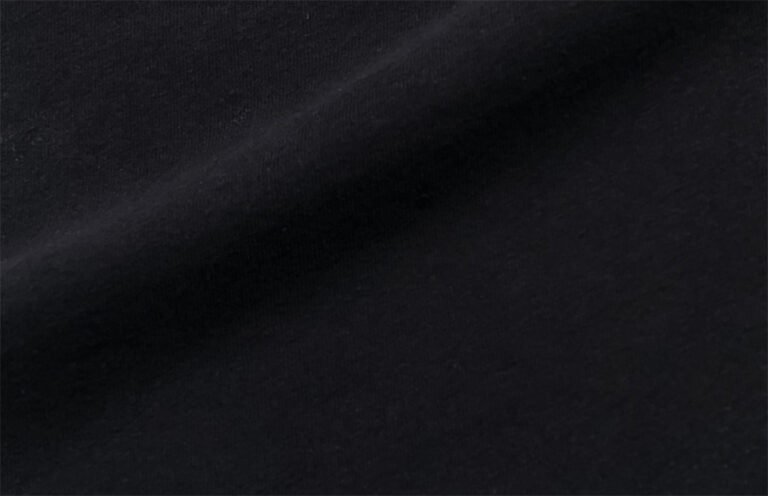
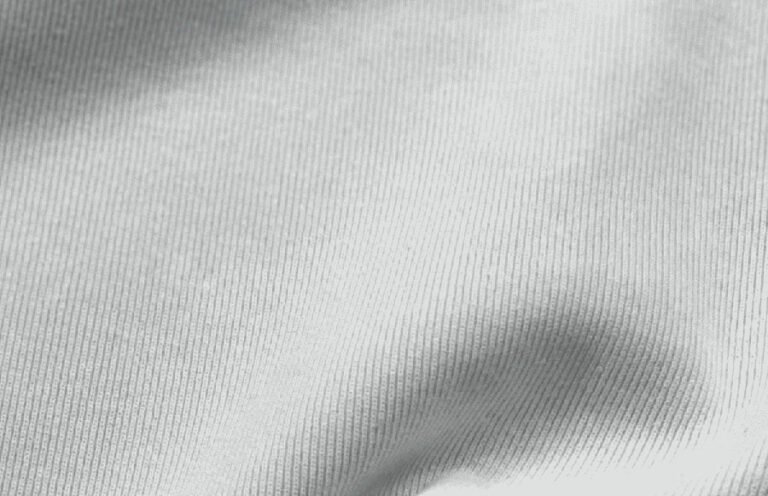
For T-shirts and casual tops: Soft, breathable and easy to wear. A practical choice for daily T-shirts, basic tops and lightweight garments.

Common use:
T-shirts / tops / underwear / kidswear

Common weight:
110–300 gsm

Width:
Tubular or open width 180/185 cm

French Terry Fabric

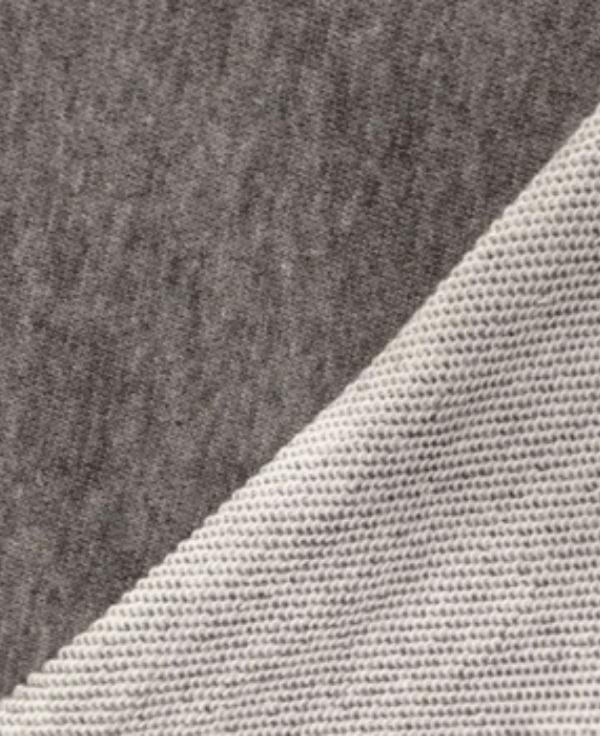
For hoodies and joggers: Smooth outside, looped inside. More structured than jersey, but still comfortable and breathable.

Common use:
Hoodies / joggers / sweatshirts / loungewear

Common weight:
210–320 gsm

Width:
Open width 180/185 m

Sweatshirt Fleece Fabric

For warmer hoodies, sweatshirts and winter casualwear: Sweatshirt fleece is brushed on the inside to create a soft fleece touch. It is warmer and thicker than French terry, making it suitable for cold-weather garments.

Common use:
Heavy hoodies, sweatshirts, sweatpants, winter loungewear

Common colors:
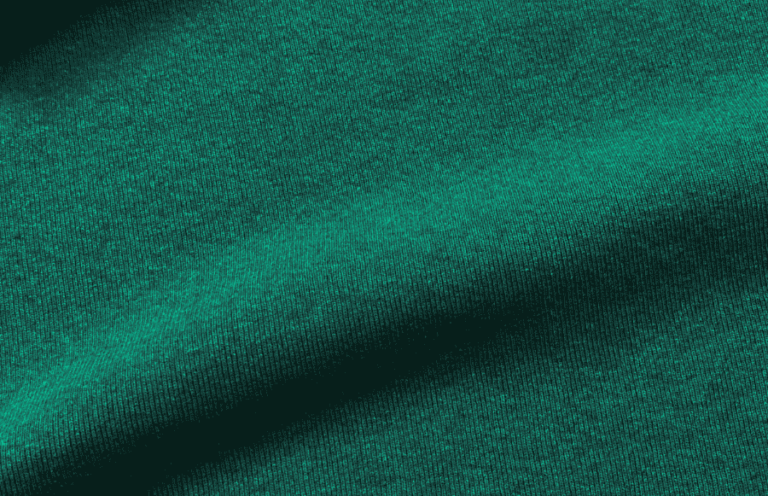
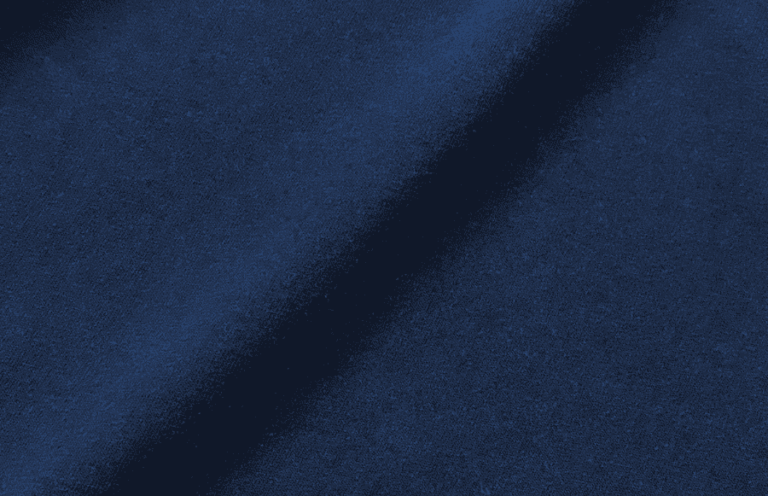
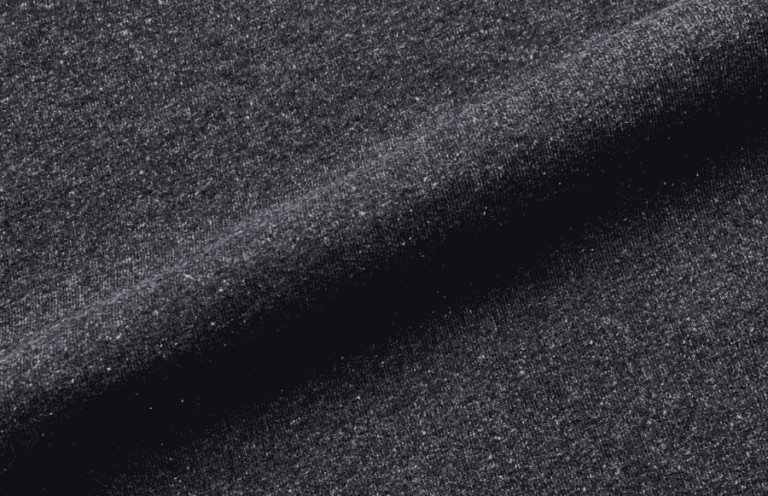
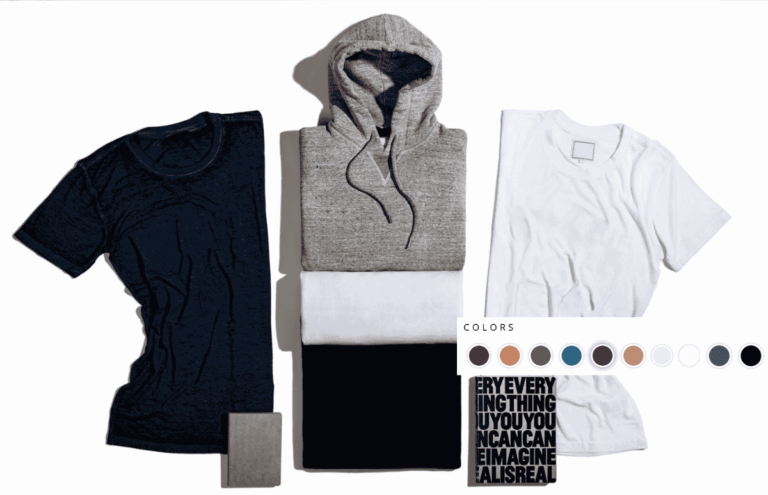
Black, grey marl, dark grey, navy and heather colors

Send The Cotton Jersey Knit Fabric Plan Start Your Customized Project

Every Step Count
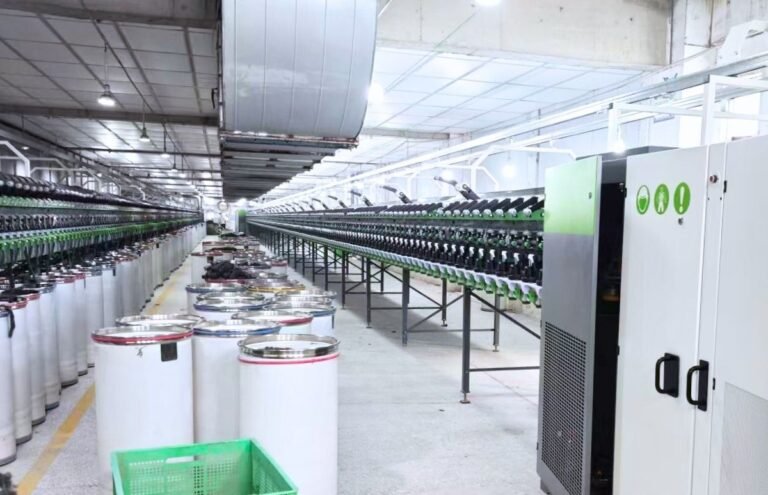
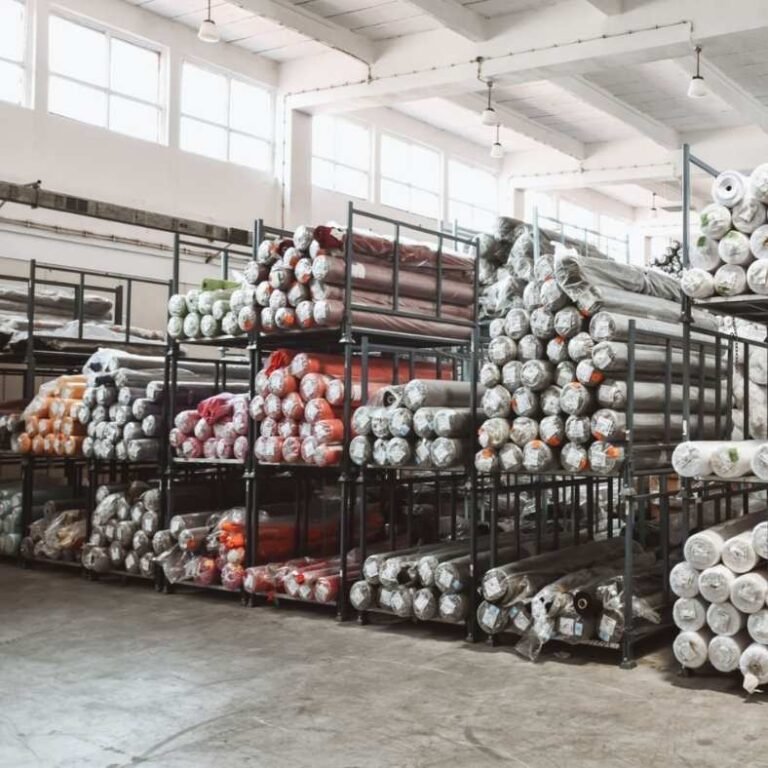
A Real China Factory Behind the Fabric

Why Choose Us

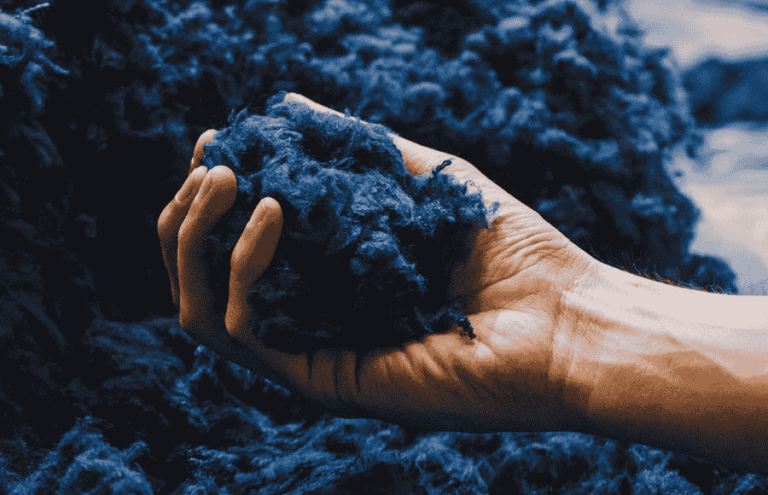
hand with recycled cotton fiber

Yarn-Dyed Recycled Color System

For many melange and basic colors, color is blended during spinning instead of relying only on traditional piece dyeing. This helps reduce dyeing steps and keeps color direction more stable for repeated orders.

Boost Your Brand’s
Eco-Friendly Image

Sustainability isn’t just a buzzword; it’s a story your brand can own.  Our fabric direction is built around recycled polyester and cotton concepts, suitable for buyers who want a more sustainable product story while keeping practical cost control in mind. A compelling story builds trust, sparks loyalty, and makes your brand unforgettable.

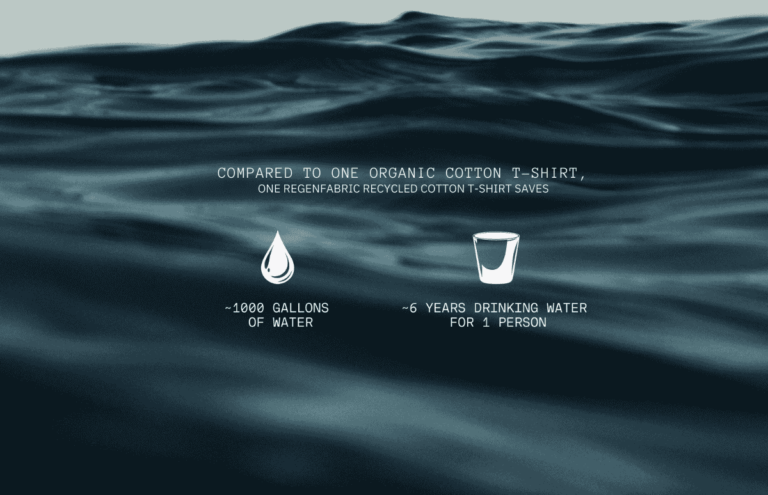
Water conservation infographic comparing recycled and organic cotton.
Textile recycling process with fiber separation machinery.

Cost-Smart Sustainability

Regenfabric (recycled cotton-poly blend) achieves approximately 10%-40% lower cost compared to traditional water-dyed fabric of equivalent quality

  • Color before Spinning
  • Elimination of dyeing costs
  • Overall cost down by 10–50%
  • Lifecycle cost benefits

Factory-Backed Fabric Supply

We focus on yarn and knit fabric programs for apparel production, with clear supply logic from material direction to finished fabric development.

Worker inspecting fabric roll on textile production machine.

Built for T-Shirt and Hoodie Programs

We focus on practical knit fabrics used every day by garment makers: single jersey for T-shirts, French terry for hoodies and joggers, and brushed fleece for warmer sweatshirt programs. From yarn blending to final rolls, we conduct multi-stage inspections for GSM accuracy, shrinkage, colorfastness, and handfeel.  We understand the needs of apparel buyers: hand feel, surface quality, weight stability, repeat color direction and batch supply matter more than marketing words.

Expertise in Color-Spun

Say goodbye to fabrics that fade or bleed.  We’ve refined our yarn-dyed / color-spun techniques over years of production—delivering stable, even colors that won’t fade or bleed. Because the color is locked in at the fiber stage, not post-dyeing, you get more eco-friendly fabric with excellent colorfastness and shade consistency, even in repeated washes.

Color swatches, charts, and paint cans for selecting shades.

High Performance

Regenfabric’s color penetrates the fiber, yielding excellent wash and light fastness with minimal fading over time.

  • High wash & wear resistance
  • Stable fabric performance
  • Small Batch Flexibility

Custom Available

Even for unique corporate or high-saturation colors, Regenfabric can meet the demand by adapting the process, effectively offering “no color limitations” to clients.

  • Controllable whiteness
  • unique heather color effect
  • weave-then-dye for Special Color

Capacity for Ongoing Supply

RegenFabric’s current knit-related supply materials state a daily capacity around 15–17 tons, supporting continuous fabric/yarn production planning for B2B supply.

See to Believe!
A Real China Factory Behind the Fabric

See to Believe!

Combine colored and/or undyed fibers in specific ratios to achieve the desired color and properties. This step ensures a consistent mix before spinning.

Spin the blended fibers into yarn, where the fiber ratios and spinning technique determine yarn strength, texture, and color uniformity.

Weave the spun yarn into fabric on a loom. The chosen weave structure and settings finalize the fabric’s density, drape, and overall appearance.

Reach us

FAQ

Recycled jersey fabric is usually the most practical direction for lightweight T-shirt programs.

French terry and sweatshirt fleece are common options, depending on the target weight and handfeel.


MOQs depend on the specific fabric type and finish. We typically offer flexible starting points to accommodate both emerging and established brands.

Yes. Our manufacturing processes and materials undergo third-party audits to ensure GRS compliance for recycled content, social responsibility, and environmental practices.

Absolutely. We offer a wide range of color options and can collaborate on specific blends to match your brand’s aesthetic and performance requirements.

Lead times vary by order size and customization. On average, standard production ranges from 20 to 45 days. Rush options are available for an additional fee, potentially reducing lead times to 10-15 days depending on current production capacity.

Simply fill out our online form or contact us directly. Provide your requirements, and we’ll arrange a quote and sample package.

The price of custom recycled fabric is affected by material selection,Knit Construction Complexity and quantity.

We will work closely with you to provide a transparent pricing structure based on your specific requirements and budget.

Send your product use, target feel, color direction, and estimated quantity.

滚动至顶部